

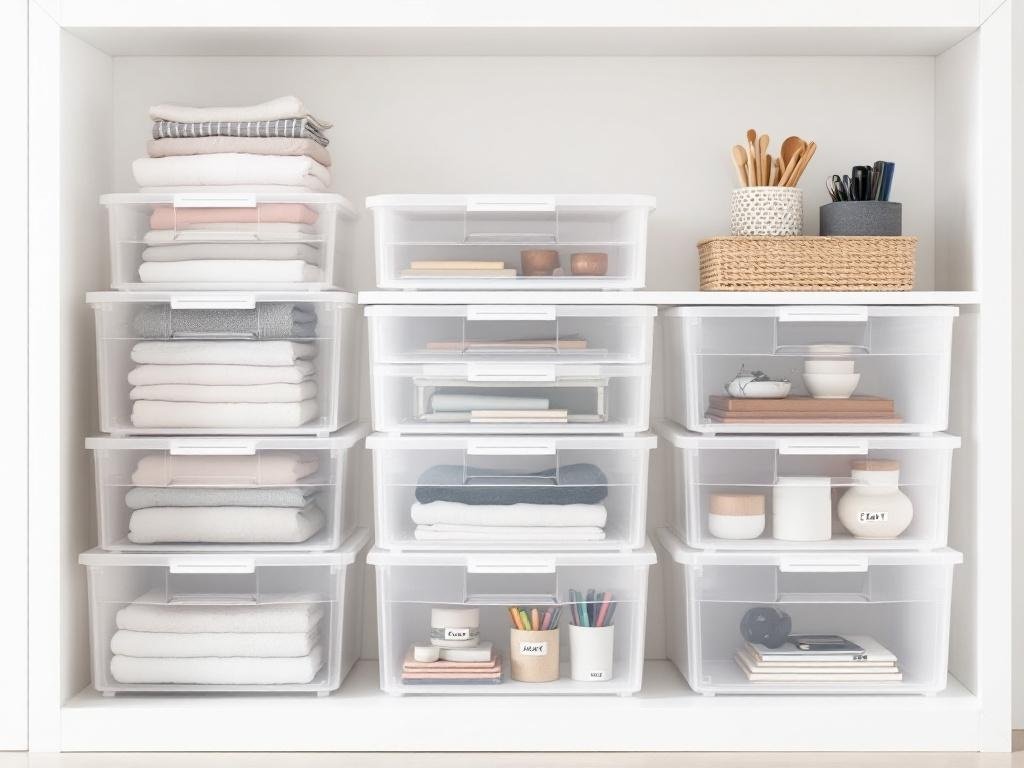
Clear stackable drawers and plastic storage bins offer a simple, visible way to organize homes, offices and workshops. This article examines materials, sizing, stackability features, labeling, cleaning and eco considerations to help you choose and use clear plastic storage drawers effectively. Practical examples and actionable tips make it easy to optimize space and visibility.
Why clear stackable storage works
Visibility Advantages: Instantly See and Retrieve What You Need
- One of the strongest benefits of using clear stackable drawers and clear storage bins is their unmatched visibility. In a wardrobe, you can instantly spot where your winter scarves or gym socks are, reducing time wasted searching and minimizing the chance of items being forgotten at the back. In a craft room, clear organizer drawers make it easy to check if you’re low on paintbrushes or which colored beads are running out—no need for messy digging. In home offices, clear plastic drawers let you check your supply of envelopes, USB flash drives, and sticky notes with a quick look, reducing duplicates and lost items. Garage users benefit by seeing where the drill bits, zip ties, or batteries are, saving frustration and making projects smoother.
Stackability: Maximizing Space Without Sacrificing Access
- Stackable storage drawers are built to make the most of vertical spaces. In closets, stacking several plastic storage drawers makes use of underutilized floor space. Their modular design means you can remove or reconfigure a column of clear storage drawers stackable as your needs change. Portability is another plus: stacked units can be moved together, or separated for cleaning or reorganizing. Many modern clear plastic drawers are ventilated or have spaces between drawers, promoting airflow—especially useful for storing clothing or linen—and allow easier access since you can pull out a single drawer without unstacking the whole column.
Everyday Use Cases: Matching Bins to Needs
- For children’s toys, deep clear plastic storage drawers are perfect for quick clean-up and easy selection.
- Seasonal clothing fits best in large clear storage bins that stack securely beneath beds or on closet shelves.
- Important documents and files are safe and accessible in shallow, stackable clear organizer drawers placed on desks or shelves.
- Tools and small hardware in garages are ideally suited to modular clear stackable drawers—choose several smaller units for fast sorting and retrieval.
- Cosmetics and toiletries stay neatly organized in compact plastic storage drawers set on vanities.
When to Choose Clear Storage Solutions:
- You want fast, effortless visual inventory of your belongings.
- Space efficiency and modular organizing are top priorities.
- You regularly access multiple categories of items and need easy sorting.
- You want to reduce duplicate purchases or lost items by making contents visible.
- You value adaptability and portable, reconfigurable storage.
Materials sizing and load capacity explained
-
Material options for clear plastic drawers: Most clear plastic storage drawers and clear storage containers are made from transparent polymers such as polypropylene (PP), polystyrene (PS), or polycarbonate (PC).
- Polypropylene (PP): Offers good clarity, is lightweight, and moderately impact-resistant. It is generally scratch-resistant and provides an economical choice for stackable storage drawers used in typical home settings.
- Polystyrene (PS): Provides high optical clarity with a glass-like appearance but can be more brittle and prone to cracking under load. Suitable for light office or craft drawer units.
- Polycarbonate (PC): Delivers exceptional impact resistance and clarity, being heavier and more expensive. Used for clear organizer drawers designed for heavy-duty or commercial use.
-
Size and capacity ranges:
- Small drawers: 6″x8″x4″ (15x20x10cm), ideal for jewelry, office supplies or small crafts (internal volume around 1–3 liters).
- Medium drawers: 12″x14″x8″ (30x36x20cm), suitable for clothing accessories, tools, or pantry goods (4–10 liters).
- Large drawers/bins: 16″x20″x12″ (41x51x30cm), used for seasonal clothes or bulkier items (20+ liters).
-
Load capacity and stacking safety: Clear plastic storage drawers, depending on material and wall thickness, most often support 5–15 lbs (2–7 kg) per drawer. Deep bins or reinforced drawers may handle up to 25 lbs (~12 kg). To ensure stability:
- Limit stacks to 3–5 units high for average home use.
- Check manufacturer’s total stack weight rating and avoid overfilling base drawers.
- Stagger heavier units on the bottom and never exceed recommended weight per drawer.
- Stacking features for stability: Seek locking tabs, interlocking rails, or anti-slip pads to prevent sliding and tipping of clear storage drawers stackable. Some plastic drawers have integrated latches or bumpers to help keep stacks aligned under movement.
- Drawers vs. bins and cubes: Clear plastic storage drawers typically offer better accessibility for small or categorized contents (slide-out access, no lid removal), while clear storage bins and modular cubes maximize volume for large or infrequently accessed items. Choose drawers for efficient small item retrieval and bins for bulk storage.
-
Specification checklist for shoppers:
- Material type (PP/PS/PC)
- Wall thickness
- Drawer glide (roller/smooth/simple track)
- Weight rating per drawer and total stacked units
- Stack-lock or interlock mechanism
- External/internal dimensions
- Warranty or guarantee period
Smart organizing strategies for every room
Smart organizing with stackable storage drawers begins with thoughtful system design. Start by breaking down your needs into categories—such as daily essentials, seasonal items, or by user (adult, child). Choose drawer sizes to fit contents: small for jewelry, stationery, and fasteners; medium for folded clothes, pantry items, or craft supplies; large for bedding, bulk foods, or garage tools. Use clearly printed labels, color tags, or transparent label pockets on each bin and drawer for instant identification; this minimizes rummaging and helps every family member learn the system.
-
Bedroom:
- Suggested drawers: Small (6–8″ wide), medium (12–15″ wide), clear organizer drawers.
- Contents: Socks, underwear, sunglasses and jewelry in small units; T-shirts, workout gear in medium stacked drawers. Layer frequently used items at the front.
- Suggested drawers: Medium clear storage bins for pantry items; small clear plastic drawers for utensils.
- Layout tips: Stack bins vertically for snacks, cereals or spices, using dividers for packets and bars. Keep often-used items in top/front drawers.
- Suggested drawers: Shallow stackable drawers for pens, paper, and chargers; medium for files.
- Use vertical stacks near desks to save space, label by category (e.g., “Invoices,” “Cables”).
- Suggested drawers: Small for beads and thread; medium for tools and fabric remnants.
- Use dividers in drawers to separate small parts and avoid mixing.
- Suggested drawers: Rugged, large clear storage bins for power tools; small stackable drawers for screws, nails, and fasteners.
- Label with item type and size; keep hazardous items higher and use child-safe locks as needed.
Kitchen:
Office:
Craft Room:
Garage:
Workflow is crucial. Position regularly used items for easy reach, and less-used/seasonal items in the back or bottom drawers. Schedule rotations for seasonal clothing or decor. Inventory checks are simple: clear bins make contents visible, just glance to see shortages or expired goods.
Combine stackable storage drawers with clear storage bins, and nest smaller bins inside drawers for subdividing. Use drawer dividers to keep items upright or prevent rolling.
Accessibility and safety require attention—anchor tall stacks to the wall, keep heavy drawers low, and label bins clearly. Place frequently accessed clear organizer drawers at child-safe heights. This ensures your organizing with plastic storage drawers is both efficient and safe for the whole household.
Care durability and environmental considerations
Regular care is essential to preserve both the clarity and structural integrity of clear plastic drawers and clear plastic storage drawers. Keeping them sparkling clean offers more than aesthetic appeal; it prevents discoloration and odors that degrade your organizing system. For basic cleaning, use warm water with a mild, fragrance-free dish detergent. Avoid harsh chemicals, abrasive pads, and scouring powders that can scratch surfaces and cloud the plastic. To tackle stubborn stains or lingering odors, mix baking soda paste with water, apply gently, then rinse thoroughly. Items that have absorbed odors can also be aired outdoors or wiped with diluted white vinegar (test on a small area first).
Durability depends on both manufacturing and handling. The clear corners of plastic desks are common cracking points, especially if bins are dropped or overfilled. Drawer runners and sliders may wear with repeated heavy use; choose models with reinforced runners for longevity. UV yellowing is another frequent issue. If your clear storage containers will be exposed to sunlight, look for those advertised as UV-resistant or made from high-quality polycarbonate or acrylic.
Safety is a vital consideration, especially for kitchen or pantry storage. Check product labels for BPA-free or food-safe materials if you plan to store consumables; product specifications are your best reference for confirming safe materials and minimizing VOC (volatile organic compound) exposure.
When clear plastic drawers reach the end of their usable life, check for a recycling symbol—typically a number within a triangle. Many municipal recycling programs only accept certain types of plastics, so verify with your local guidelines. Repurpose old clear storage bins for garage hardware, garden supplies, or as drawer organizers inside cabinets to extend their usefulness and reduce single-use plastic waste.
- Never overload plastic drawers; exceed weight limits stresses seams and runners.
- Reduce prolonged sunlight exposure to limit yellowing.
- Store drawers and bins flat and empty when not in use to avoid warping.
Buying comparing and installing for best results
Step-by-step buying checklist:
- Measure your space: Always check available height, width, and depth—consider clear stackable drawers that fit both space and storage needs.
- Material matters: Choose between standard polypropylene or higher-end polycarbonate/acrylic for maximum durability and clarity in plastic storage drawers.
- Stackable design: Inspect if clear storage bins are designed specifically for stable stacking, with interlocking lids or reinforced bases.
- Drawer glides: Look for clear organizer drawers with smooth-riding, robust glides or runners—crucial for heavy or frequent use.
- Load rating: Check maximum weight per drawer and overall stack—prioritize stackable storage drawers with clear load ratings.
- Warranty: Review manufacturer warranty for peace of mind on cracks or warping with clear stackable storage bins.
- Price: Compare across sizes, features, and quality; note sales on clear plastic storage drawers.
Comparing models online and in-store:
- Scrutinize product photos for actual thickness, stacking lips, and how clear the drawer material appears.
- Read weight ratings (per drawer and total stack). Confirm user reviews mentioning stability, cloudiness, or breaks.
- Verify all measurements; cross-check with retailer Q&A if numbers seem rounded or unclear.
Price versus quality tradeoffs:
- Invest in premium clear stackable drawers for heavy duty or everyday use—polycarbonate or acrylic outperform budget plastics for clarity and strength.
- Choose affordable clear storage bins for lighter loads or less-trafficked storage spaces.
Installation and setup tips:
- Stack on level surfaces, never exceeding manufacturer stack height.
- Anchor large assemblies to walls for tall clear plastic storage drawers.
- Integrate with shelving or closet systems to maximize vertical storage and stability.
- Add custom or printable labels, and use vertical dividers to keep contents neat within clear organizer drawers.
Cost- and space-saving hacks:
- Mix drawer heights within the same modular systems for better fit and cost control.
- Exploit unused vertical corners or closet heights with stackable storage drawers.
- Use clear labeling templates to simplify retrieval and upkeep.
Quick buyer decision flow:
- What will you store? (weight, size, visibility needs)
- Where and how high do you plan to stack?
- Is premium clarity, UV resistance, or brand warranty important?
- Will you need easy labeling or flexible dividers in your clear storage drawers stackable system?
Conclusions
Clear plastic drawers and stackable storage bins combine visibility, versatility and space-saving design to simplify organization across rooms. Choosing durable materials, proper sizing, secure stacking and clear labeling ensures long-term utility. Regular cleaning and mindful recycling maximize lifespan and sustainability. Use the buying and organization strategies in this article to create an efficient, attractive storage system that fits your needs and reduces clutter.